Ideas
Streaming's New Obsession With Literary Adaptations
By Jordan A. · · 5 min read
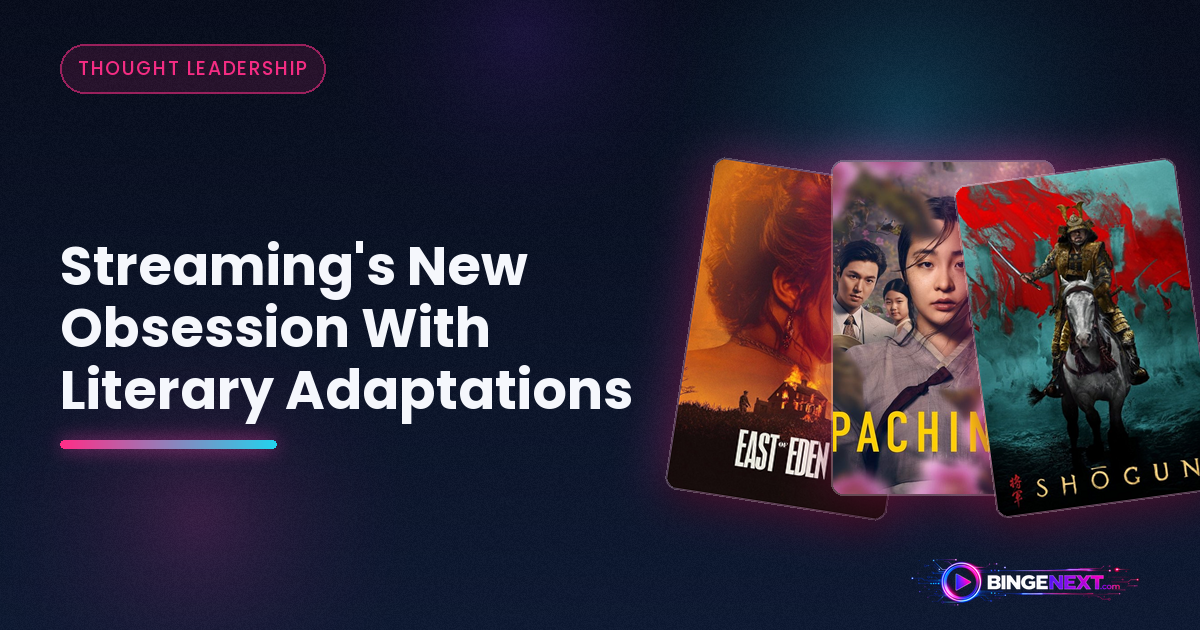
East of Eden landed on Netflix on October 1, 2026, a seven-episode adaptation of a John Steinbeck doorstop, headlined by Florence Pugh. A few years ago that would have been a strange bet. Today it is the model. Streamers have fallen hard for the literary adaptation, and the reason says a lot about where television is headed.
This is not nostalgia. It is a calculated pivot, and it is quietly reshaping what shows up on your home screen.
The wave is real
Look at the last two years. Netflix turned Gabriel García Márquez's untouchable One Hundred Years of Solitude into a lavish, faithful series many had called unfilmable. Apple TV built Pachinko from Min Jin Lee's multigenerational novel and made it one of the most quietly acclaimed shows around. Prime Video handed Colson Whitehead's The Underground Railroad to Barry Jenkins. FX's Shogun, adapted from the James Clavell novel, swept awards. East of Eden is not a one-off. It is the latest entry in a clear pattern.
Why streamers want the classics
The appeal is threefold, and none of it is subtle. A famous novel arrives with a built-in audience and decades of goodwill. It carries automatic prestige, the kind that wins Emmys and makes a service look serious. And it offers a defense against the biggest problem streaming has created for itself, the sense that everything blurs into the same algorithm-fed sludge. A great book is a known quantity with a real point of view, which is exactly what a crowded platform is starving for.
Prestige as a business strategy
There is a colder logic underneath the artistry. Prestige adaptations are how a streamer signals it is a home for grown-up, high-quality storytelling, not just reality dumps and true crime. That reputation attracts talent, the Florence Pughs and Barry Jenkinses of the world, and talent attracts more talent. We traced this arms race in our look at the golden age of prestige TV, and literary adaptations are its newest front. A single beloved title can do more for a brand than ten forgettable originals.
The faithfulness trap
Here is where it gets tricky, and where some of these shows stumble. Adapting a masterpiece invites a reverence that can suffocate the drama. Treat the book as sacred and you get something beautiful but inert, a museum piece that never quite breathes as television. The adaptations that work, like Shogun, are willing to change things, to be a show first and a tribute second. The ones that fail mistake loyalty for quality. It is the same tension we explored in why we love remakes and reboots, just with a literary pedigree attached.
What it means for you
For viewers, this trend is mostly great news. It means more ambitious, self-contained storytelling and fewer shows that limp through five bloated seasons chasing a renewal. The limited-series format that most of these adaptations use is a gift, a complete story you can actually finish. That is a big reason our list of the best limited series of 2026 keeps growing. The risk is the usual one. Chase a trend hard enough and the misfires pile up. Not every novel needs eight hours of screen time.
The bottom line
The literary adaptation boom is a bet that quality and a good story still cut through the noise. East of Eden is the current flagship, and its success or failure will tell streamers whether to keep mining the bookshelf. The smart money says they will. There are a century of great novels sitting there, each one a built-in audience waiting to be served.
The ones that got it right
It is worth studying the successes, because they share a lesson. Shogun swept the Emmys not by treating Clavell's novel as scripture but by centering the Japanese perspective the original often sidelined, making bold choices a timid adaptation never would. Pachinko earned its acclaim by trusting the emotional core of Min Jin Lee's novel while reshaping its structure for television. The pattern is clear. The best literary adaptations respect the source without worshipping it, and they never forget that a book and a show are different animals with different strengths.
The failures tend to make the opposite mistake, confusing fidelity for quality and reverence for drama. A gorgeous, faithful adaptation that never comes alive is still a failure, no matter how many awards its production design collects. That is the tightrope East of Eden has to walk, and it is why its reception matters beyond a single show. Get it right and the bookshelf mining accelerates. Get it wrong and studios remember that a beloved title is a high bar to clear, not a safety net to fall back on.
The takeaway for viewers
None of this is a reason to be cynical about the trend. On balance, it hands you more ambitious, self-contained storytelling than the endless-franchise model ever did. The smart approach is to sample widely and trust word of mouth over pedigree. A famous novel is a promising starting point, not a guarantee, and the shows worth your time are the ones brave enough to be great television first and a faithful tribute second.
When there is this much prestige TV competing for your evening, picking the one worth it is the hard part. BingeNext reads your taste and points you at the adaptation you will actually love, across every service. Find your next binge and skip the guesswork.
Topics covered: literary adaptations, book to screen, prestige tv, east of eden, streaming trends
About the author
Jordan A., Founder, BingeNext
Jordan A. is the founder of BingeNext and is responsible for every guide published on this site. He built the recommendation engine after one too many nights lost to the streaming menu. Dates, season counts and where-to-watch details in these guides are checked against official sources before publishing, and corrections are welcome at Jordan@Bingenext.com.