Ideas
Why Streaming Is Bringing Back the Weekly Episode
By Jordan A. · · 4 min read
For a decade, the all-at-once binge felt like the future and the weekly episode felt like a relic. Netflix trained a whole generation to expect a full season on day one, and the rest of the industry scrambled to copy it. Then a funny thing happened. The shows that dominate the conversation, the ones people argue about at work on Monday, are mostly the ones that make you wait a week. The weekly drop is not a relic. It is quietly winning.
The releases landing this September lay the whole debate out in the open, so it is worth looking at what each model actually does to a show.
The all-at-once camp is still loud
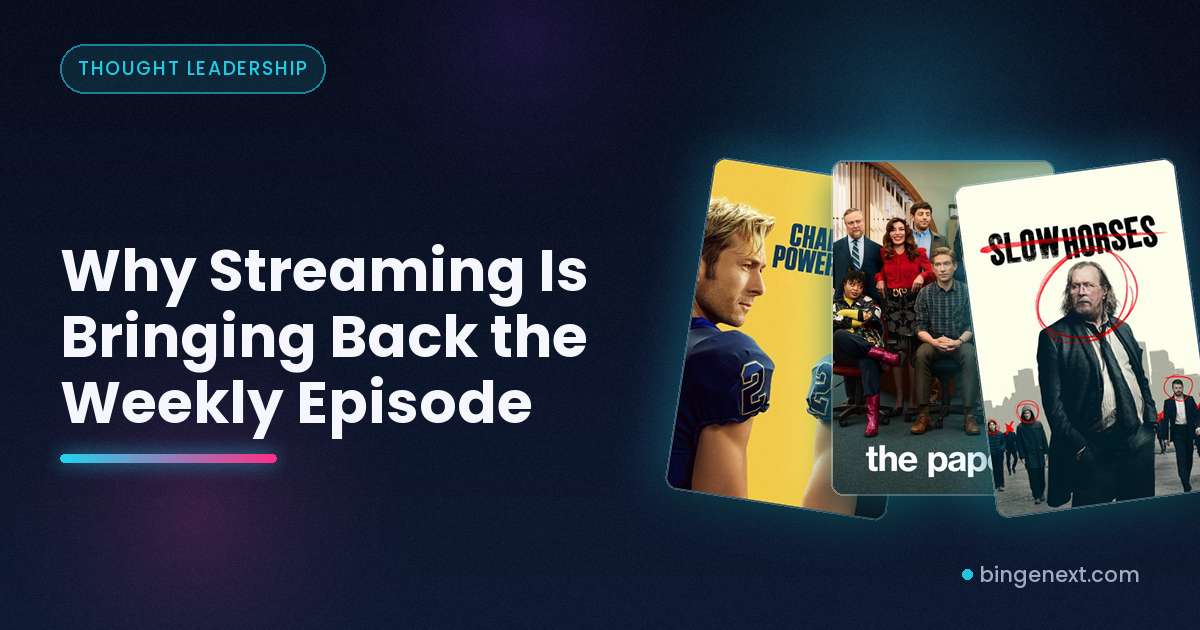
Plenty of big titles still dump the full season and let you binge. Chad Powers is a clean example, and an interesting one. Its first season rolled out weekly on Hulu starting in September 2025, but season two, arriving September 3, 2026, drops all six episodes at once. The show looked at its own numbers and decided a comedy plays better as a marathon. The Paper does the same thing, releasing its entire second season on Peacock on September 9. For a fast, funny show you want to inhale, the binge makes sense. Nobody wants to wait seven days for the next joke.
But the weekly camp owns the culture
Here is what the binge cannot buy: time. When a season drops all at once, the conversation spikes for a weekend and then vanishes, because everyone finishes at a different pace and nobody can talk about it without spoiling it. A weekly show stretches that conversation across two months. Apple has built its whole prestige identity on this, letting a series like Slow Horses roll out one episode at a time so the fanbase can theorize, complain, and recruit new viewers between drops. Every week is a fresh chance to trend. That slow burn is why so many of the shows people call appointment television live on the platforms that still make you wait.
Why the wait actually helps a show
The weekly model does something for the work itself, not just the marketing. It gives each episode room to breathe. A great cliffhanger means nothing if you can resolve it in four seconds by hitting next, but it means everything when you have to sit with it for a week. Writers get to plant a mystery and let it grow in the audience's head. The binge flattens all of that into one long sitting where the beats blur together. You can love a binged show, but you rarely obsess over it the way you obsess over one that rations itself out. We traced how the all-at-once habit reshaped the way we watch in our piece on the evolution of binge-watching, and the weekly comeback is the pendulum swinging back.
The business case caught up
There is a cold financial logic here too. A weekly show keeps subscribers paying across multiple billing cycles, because you cannot cancel mid-season without missing the finale. A binge gives someone every reason to subscribe for one month, watch everything, and leave. As the streaming wars have gotten more brutal and every service is fighting churn, that math matters. Holding an audience for eight weeks is worth more than thrilling them for one weekend. The shift in how services measure success, away from raw sign-ups and toward retention, changed the calculus, something we dug into when we looked at how ratings changed in the streaming era.
So where does this leave you?
Probably happier, honestly. The best outcome of this debate is the one we are actually getting, which is choice. Want to devour a whole comedy on a Saturday? The binge is there. Want a show to look forward to every week, a little appointment that breaks up the grind? The weekly drop is back and stronger than ever. The monoculture where everything released the same way is over, and that is good for viewers even if it makes planning your queue slightly more complicated. The recommendation problem gets trickier when release patterns vary this much, which is part of why algorithms keep pushing you toward the same handful of things, a rut we unpack in our look at why streaming algorithms show you the same things.
The weekly episode was never really dead. It just got drowned out for a while, and now the shows that use it are proving it was the smarter play all along.
The hybrid models are winning too
The smartest platforms have stopped treating this as a binary. A growing number of shows split the difference, dropping the first two or three episodes together to hook you, then shifting to weekly for the rest. It is the best of both worlds, giving you enough to fall in love before the wait kicks in. Streamers have also learned to schedule around the calendar, saving weekly tentpoles for the fall and holidays when people are home and hungry for a routine, and unloading full binges in the summer when attention is scattered. What looked like a philosophical war over how television should work has quietly turned into a toolkit, with each show choosing the release pattern that suits its shape. That flexibility is the real story here, and it is why the death of the weekly episode was always overstated.
However you like to watch, BingeNext works with your rhythm, surfacing the bingeable comfort watches and the weekly obsessions alike. Explore BingeNext and let it learn your pace.
Topics covered: weekly episodes, binge watching, streaming strategy, appointment tv, release schedule
About the author
Jordan A., Founder, BingeNext
Jordan A. is the founder of BingeNext and is responsible for every guide published on this site. He built the recommendation engine after one too many nights lost to the streaming menu. Dates, season counts and where-to-watch details in these guides are checked against official sources before publishing, and corrections are welcome at Jordan@Bingenext.com.